
Latest Medical News

Tiny Spice Buds With Powerful Health Benefits and Careful Limits
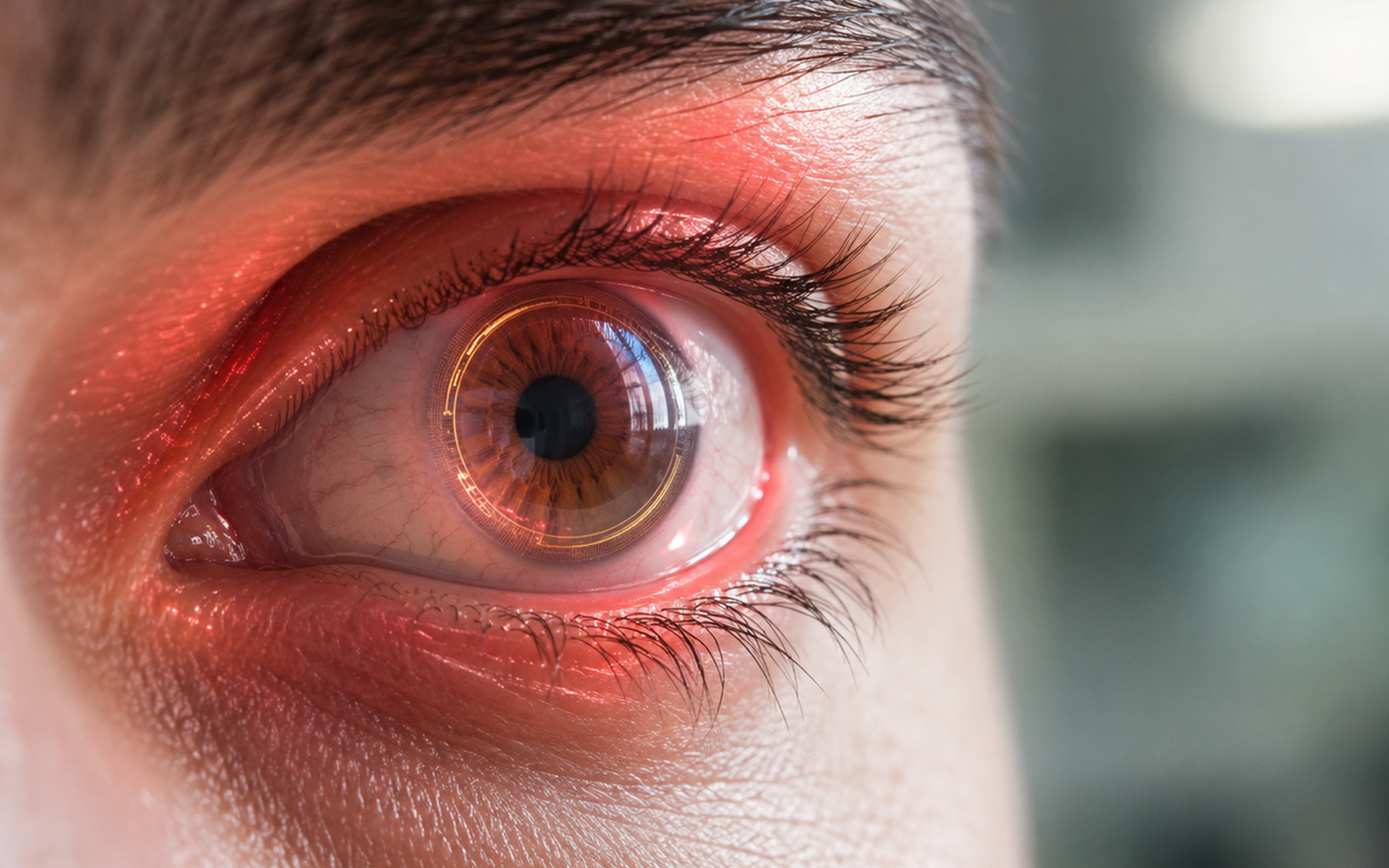
Gold Nanowire Contact Lens Points to a Future of Smart Eye Monitoring

SAMRC and DFFE Partnership Turns Air Pollution Into a National Public-Health Priority

The Green Soybean Snack With Protein Power and Smart Cautions

Japan Tightens Ethics Rules as Human Embryo Model Research Advances

Insilico and Takeda Partnership Signals AIs Move Into Mainstream Drug Discovery
Natashas Prize Pushes Food-Allergy Science Toward Prevention Before Childhood Risk Takes Hold
December 4, 2024
A Diagnosis Without Warning
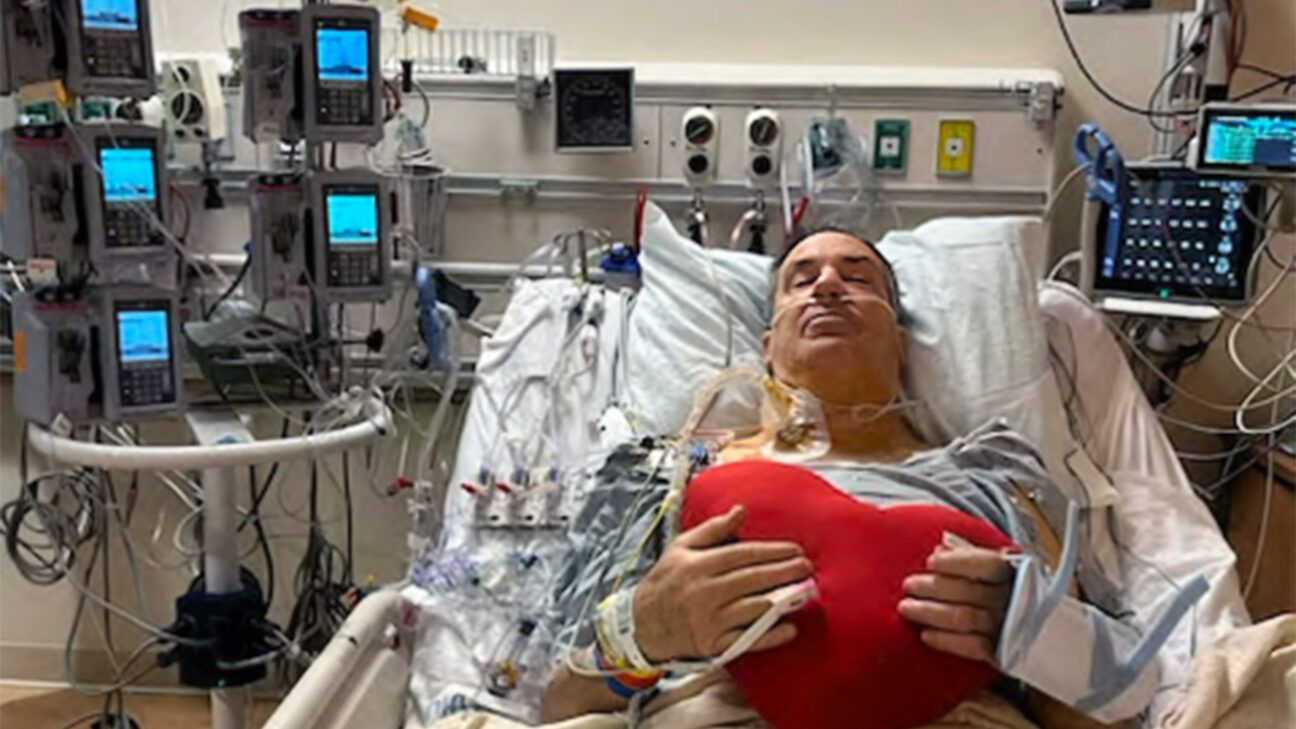
The first sign of trouble came in the summer of 2023.
During a routine checkup with my cardiologist, Dr. Christopher Wulff, in Walnut Creek, California, he asked me to stay silent as he listened to my heart. I’d been seeing a cardiologist yearly since 1997 due to neurocardiogenic syncope, a fainting disorder diagnosed after a tonic-clonic seizure.
That condition had been manageable with lifestyle adjustments, and my cardiology visits had become so routine I’d considered skipping them. Thank goodness I didn’t—this is a reminder of the importance of annual checkups.
Dr. Wulff detected a “clicking” sound in my heart, signaling that one of the two flaps in my mitral valve wasn’t closing properly. This caused about 50% of the blood pumped out of my heart to flow back into the chamber, forcing my heart to work harder. Left untreated, it could lead to heart disease.
Despite this, I felt perfectly fine—no symptoms, no shortness of breath, and no chest pains. I was even taking two-hour hikes up Mount Diablo every Sunday.
An echocardiogram performed on Halloween confirmed the problem: the left atrium in my heart was “severely increased,” likely due to the mitral valve regurgitation. My diagnosis was “non-rheumatic mitral regurgitation.”
Dr. Wulff assured me the condition was fixable but cautioned that open-heart surgery should only be done when absolutely necessary.


.jpg)
